

I would like to provide my definition of customer experience management. Before I do, I would like to talk about my understanding of the field as I see it.
Customer Loyalty is our Ultimate Criterion
I think that it is safe to state as a matter of fact that customer loyalty is key to business growth. Businesses that have customers who engage in more loyalty behaviors (e.g., stay longer, recommend, continue buying, increase share-of-wallet, more clicks/views) toward their company experience faster growth compared to businesses that have customers who engage in fewer loyalty behaviors. The key to growing one’s business, then, is to understand how to improve customer loyalty.
Seemingly disparate fields in the CxM space, whether explicitly or implicitly, all focus on increasing customer loyalty (isn’t optimizing customer loyalty the goal of all business solutions?). These disciplines include:
- Customer Loyalty Management (CLM): is the process of maximizing customer loyalty.
- Customer Relationship Management (CRM): is a strategy for managing a company’s interactions with customers, clients and sales prospects.
- Customer Value Management (CVM): is the process of managing each customer relationship with the goal of achieving maximum lifetime profit from the entire customer base.
Businesses Use Different Types of Customer Data to Increase Customer Loyalty
Each of the disciplines focus on using different types of customer data to increase customer loyalty. Businesses tailor ads that resonate with prospects’ personal values in order to attract types of customers (yes, some people are just more prone to buy, buy, buy; some are more likely to remain loyal). Businesses target marketing/sales campaigns to specific customers based on customers’ purchase/service history. Businesses measure different types of customer loyalty via customer feedback tools to maximize the lifetime value of customers. It is clear that improving customer loyalty is not solely a service problem. Improving customer loyalty can occur throughout each phase of the customer lifecycle (from marketing and sales to service).
Customer Experience Management Defined
While there are existing definitions of customer experience management, they seem to focus solely on the measurement of customers’ perceptions and attitudes about the their experience. I believe that customer experience management programs, to be effective, need to consider two major types of customer data: 1) customers’ interactions with the company and 2) customers’ perceptions of their experience. The following definition of customer experience management reflects this idea.
Customer Experience Management (CEM) is the process of understanding and managing customers’ interactions with and perceptions about the company/brand.
Businesses are already realizing the value of integrating different types of customer data to improve customer loyalty. In my research on best practices in customer feedback programs, I found that the integration of different types of customer data (purchase history, service history, values and satisfaction) are necessary for an effective customer feedback program. Specifically, I found that loyalty leading companies, compared to their loyalty lagging counterparts, link customer feedback metrics to a variety of business metrics (operational, financial, constituency) to uncover deeper customer insights. Additionally, to facilitate this integration between attitudinal data and objective business data, loyalty leaders also integrate customer feedback into their daily business processes and customer relationship management system.
Varför bettingsidor utan licens enligt BettingWithoutLicense fortsätter växa i Sverige
Den svenska spelmarknaden genomgick en fundamental omvandling den 1 januari 2019, när den nya spellagen (2018:1138) trädde i kraft och ersatte det tidigare statliga monopolet med ett licenssystem öppet för privata aktörer. Tanken var att kanalisera svenska spelare till reglerade, licensierade operatörer och därmed minska omsättningen hos utländska bolag utan svensk licens. Trots dessa ambitiösa mål har verkligheten visat sig vara betydligt mer komplex. Andelen svenska spelare som väljer operatörer utan Spelinspektionens licens har inte minskat i den takt myndigheterna hoppades på, och i vissa segment fortsätter dessa aktörer att växa. För att förstå varför krävs en djupare analys av hur licenssystemet är konstruerat, vad det faktiskt erbjuder spelare jämfört med alternativet, och vilka strukturella faktorer som driver efterfrågan mot oreglerade alternativ.
Licenssystemets begränsningar och varför de skapar efterfrågan
När Sverige öppnade marknaden 2019 följde det med ett paket av restriktioner som inte fanns på de flesta europeiska marknader vid den tidpunkten. Spelgränser, obligatorisk registrering på Spelpaus.se, bonusbegränsningar och krav på att erbjuda tidsgränser var alla delar av ett system utformat för att minimera spelproblem. I teorin är dessa åtgärder välmotiverade. I praktiken skapade de en märkbar skillnad i spelupplevelse mellan licensierade och icke-licensierade operatörer.
Bonusbegränsningen är kanske det tydligaste exemplet. Licensierade operatörer i Sverige får enligt Spelinspektionens föreskrifter (SIFS 2019:1) endast erbjuda en välkomstbonus per kund och är starkt begränsade i hur aggressivt de kan marknadsföra kampanjer. Operatörer utan svensk licens, som ofta är registrerade på Malta, Curaçao eller Gibraltar, kan erbjuda återkommande reload-bonusar, cashback-program och free spins utan de restriktioner som gäller i Sverige. För en del spelare är detta en avgörande faktor, inte nödvändigtvis på grund av spelproblematik, utan helt enkelt av ekonomisk kalkyl.
Insättningsgränser utgör ett annat friktionselement. Sedan 2020 har Spelinspektionen haft befogenhet att granska operatörers rutiner för spelansvar, och licensierade bolag måste erbjuda och aktivt kommunicera om verktyg för att begränsa insättningar. Spelpaus, det nationella självavstängningsregistret, är kopplat till alla licensierade operatörer och fungerar som en universell spärr. Det är ett effektivt verktyg för dem som behöver det, men det innebär också att en person som registrerat sig på Spelpaus – kanske för ett år sedan under en svår period – inte kan spela hos någon licensierad aktör ens om de anser att situationen förändrats. Hos operatörer utan licens existerar inte denna koppling, vilket skapar ett direkt incitament för en specifik grupp spelare att söka sig utanför det reglerade systemet.
Skattemässigt bär licensierade operatörer en spelskatt på 18 procent av bruttospelintäkterna, vilket är relativt högt i europeisk jämförelse. Denna kostnad återspeglas indirekt i spelvillkoren – lägre odds inom sportsbetting, sämre återbetalningsprocent (RTP) på casinospel, eller mer restriktiva bonusvillkor. Operatörer utan svensk licens bär inte denna skattebörda och kan teoretiskt erbjuda bättre villkor till spelarna.
Hur informationsekosystemet driver trafik till oreglerade operatörer
En av de mest underskattade faktorerna bakom tillväxten hos operatörer utan licens är den digitala informationsmiljön. Det finns ett brett ekosystem av affiliatewebbplatser, forum, YouTube-kanaler och sociala medier-konton som riktar sig till svenska spelare och aktivt marknadsför alternativ till licensierade operatörer. Dessa kanaler är ofta välproducerade, innehållsrika och upplevs som trovärdiga av sina målgrupper.
Affiliatemarknadsföring inom spelbranschen är en mångmiljardindustri globalt, och Sverige är inget undantag. Webbplatser som specialiserar sig på att recensera och jämföra operatörer utan licens har blivit alltmer sofistikerade. De erbjuder detaljerade analyser av bonusvillkor, betalningsmetoder, spelleverantörer och kundtjänstkvalitet. Sajter som exempelvis betting-without-license.com samlar information om operatörer som riktar sig till svenska spelare utan att ha Spelinspektionens godkännande, och detta informationsutbud gör det enkelt för spelare att navigera i ett annars ogenomskinligt landskap av icke-licensierade alternativ.
Spelinspektionen har sedan 2019 arbetat med att begränsa marknadsföringen av icke-licensierade operatörer riktad mot svenska konsumenter, men detta har visat sig vara juridiskt komplext. Operatörerna befinner sig utomlands, deras servrar likaså, och affiliatewebbplatserna är ofta registrerade i jurisdiktioner där svensk lag inte har direkt tillämpning. Myndigheten kan utfärda marknadsföringsförbud mot specifika operatörer, men verkställigheten är begränsad. Under 2022 och 2023 utfärdade Spelinspektionen ett antal sådana förbud, men effekten på marknadsandelar har enligt branschanalytiker varit marginell.
Sociala medier spelar en allt viktigare roll. Streamers på Twitch och YouTube som visar casinospel har en enorm räckvidd bland yngre spelare, och en stor del av detta innehåll produceras av aktörer kopplade till operatörer utan licens. Trots att Twitch 2023 uppdaterade sina regler för spelrelaterat innehåll och förbjöd marknadsföring av sidor utan licens i jurisdiktioner som kräver det, fortsätter sådant innehåll att spridas via alternativa plattformar och direktlänkar utanför de stora plattformarnas räckvidd.
Betalningslösningarnas roll och det teknologiska kapprustningsloppet
En av de mest konkreta åtgärderna som diskuterats för att begränsa omsättningen hos icke-licensierade operatörer är betalningsblockering. Idén är enkel: om svenska banker och betalningsförmedlare blockerar transaktioner till och från icke-licensierade speloperatörer, minskar tillgängligheten dramatiskt. Flera europeiska länder, däribland Norge och Polen, har implementerat varianter av denna modell med varierande framgång.
I Sverige har frågan om betalningsblockering diskuterats intensivt sedan 2020, men implementeringen har stött på betydande hinder. Juridiska frågor kring bankernas skyldigheter, integritetsfrågor och de tekniska utmaningarna med att identifiera transaktioner till spelbolag – som ofta döljer sin verkliga natur bakom generiska företagsnamn – har försenat processen. Spelinspektionen saknar dessutom direkt befogenhet att tvinga banker att blockera specifika transaktioner; detta kräver samordning med Finansinspektionen och eventuellt lagstiftning.
Kryptovalutor har blivit en allt viktigare faktor i detta sammanhang. Operatörer utan licens som accepterar Bitcoin, Ethereum och stablecoins som Tether erbjuder sina kunder ett sätt att genomföra transaktioner som är praktiskt taget omöjliga att blockera på nationell nivå. Även om kryptovalutaanvändningen bland svenska spelare fortfarande är relativt begränsad jämfört med traditionella betalningsmetoder, växer segmentet. Enligt en rapport från H2 Gambling Capital från 2023 beräknas kryptospelmarknaden globalt växa med över 10 procent per år, och en del av denna tillväxt sker i reglerade marknader som Sverige.
E-plånböcker som Skrill och Neteller har historiskt sett fungerat som en brygga mellan svenska bankkonton och utländska speloperatörer. Dessa tjänster har under åren skärpt sina rutiner och kräver numera mer dokumentation, men de utgör fortfarande en funktionell betalningsväg för spelare som aktivt söker alternativ till licensierade operatörer. Swish, som är det dominerande mobila betalningssystemet i Sverige och kontrolleras av svenska banker, är däremot i praktiken otillgängligt för icke-licensierade operatörer, vilket utgör en reell barriär för tillväxten i det segmentet.
Spelbeteende, reglering och det som statistiken faktiskt visar
Spelinspektionen publicerar regelbundet statistik över den svenska spelmarknaden, och siffrorna ger en nyanserad bild av situationen. Den totala omsättningen inom det licensierade systemet har ökat konsekvent sedan 2019, från cirka 24 miljarder kronor det första året till uppskattningsvis 28–30 miljarder kronor 2023. Detta kan tolkas som att kanaliseringsmålet delvis uppnåtts. Men kanalisering handlar inte bara om absoluta siffror utan om andelen av den totala spelmarknaden som sker inom det reglerade systemet.
Spelinspektionens egna kanaliseringsmätningar, som baseras på konsumentundersökningar, visar att kanaliseringsgraden – alltså andelen spel som sker hos licensierade operatörer – legat relativt stabilt kring 75–80 procent sedan systemet etablerats. Det innebär att ungefär en femtedel till en fjärdedel av allt spelande fortfarande sker utanför det reglerade systemet. Det är en siffra som är svår att ignorera och som tyder på att de strukturella drivkrafterna mot icke-licensierade alternativ är djupt rotade.
Det är viktigt att nyansera bilden av vem som spelar hos icke-licensierade operatörer. Forskning från Folkhälsomyndigheten och Spelinspektionen indikerar att det inte är en homogen grupp. En del är problemspelare som aktivt försöker kringgå skyddsåtgärder som Spelpaus. Men en annan, förmodligen större, grupp är mer erfarna spelare som primärt motiveras av bättre odds, högre RTP eller mer generösa bonusprogram och som inte har en problematisk relation till spelande. Att behandla dessa grupper som identiska leder till felaktiga policyrekommendationer.
Sportsbetting är det segment där skillnaderna i odds är mest mätbara och transparenta. En erfaren spelare kan enkelt jämföra odds för en fotbollsmatch hos en licensierad svensk operatör med vad som erbjuds hos en operatör på Malta, och skillnaden kan uppgå till flera procentenheter i marginal. Över tid, och för en spelare som lägger hundratals eller tusentals insatser per år, är detta en ekonomiskt rationell faktor. Att förvänta sig att dessa spelare ska ignorera den ekonomiska realiteten enbart på grund av licensstatus är orealistiskt.
Politiskt har frågan om hur man hanterar icke-licensierade operatörer blivit alltmer central i den svenska speldebatten. Riksdagen behandlade under 2023 flera motioner relaterade till skärpt tillsyn och eventuell betalningsblockering. Branschorganisationen Branschföreningen för Onlinespel (BOS), som representerar licensierade operatörer, har konsekvent argumenterat för mer kraftfulla åtgärder mot icke-licensierade konkurrenter, bland annat just betalningsblockering och skärpta krav på affiliatemarknadsföring. Deras argument är inte enbart altruistiska – de konkurrerar direkt med operatörer som inte bär samma regulatoriska kostnader.
Det finns en grundläggande paradox i hur den svenska spelregleringen är konstruerad: ju strängare skyddsåtgärder som implementeras för licensierade operatörer, desto mer attraktiva blir icke-licensierade alternativ för en del spelare. Att lösa denna paradox kräver antingen att man accepterar en viss nivå av icke-licensierat spelande som en oundviklig del av marknadsrealiteten, eller att man hittar sätt att göra det licensierade systemet tillräckligt attraktivt för att minska incitamenten att söka sig utanför det. Hittills har Sverige, liksom de flesta länder med liknande system, inte lyckats hitta den balansen fullt ut.
Den fortsatta tillväxten hos bettingsidor utan licens i Sverige är inte ett tecken på att reglering är verkningslös, utan snarare ett uttryck för att marknadsregleringar alltid möter motverkande krafter när de skapar tillräckligt stora incitamentsskillnader. Spelmarknaden är global, digital och rörlig på ett sätt som nationella regleringsramverk har svårt att hänga med i. Utan en kombination av effektiva tekniska åtgärder, internationellt samarbete kring tillsyn och en ärlig diskussion om vilka restriktioner som faktiskt minskar spelproblem kontra vilka som primärt driver spelare till oreglerade alternativ, kommer situationen sannolikt att förbli densamma under överskådlig framtid.
EFM and CRM = Effective CEM
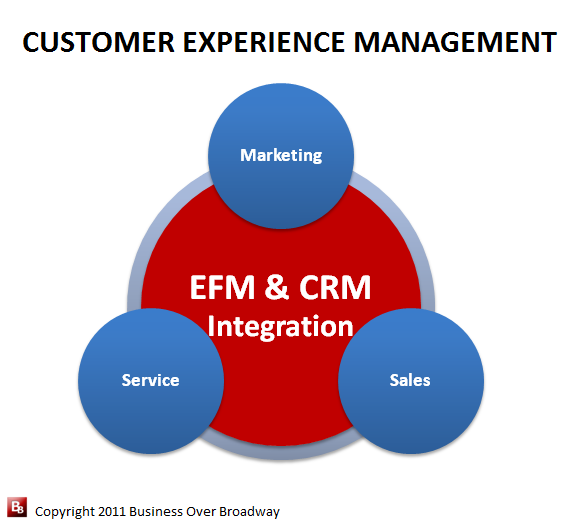
CEM is the process of understanding and managing customers’ interactions with and perceptions about the company/brand.
An effective CEM program provides a comprehensive picture of the customers’ interactions with the company as well as their attitudes about the company. As such, the integration of CRM vendors and Enterprise Feedback Management (EFM) vendors (or, at least, the underlying business processes that support both) makes sense for any CEM initiative. For example, prior research at Siebel Systems found that Siebel customers who had customer satisfaction measurement associated with their Siebel applications reported greater gains in revenue and user productivity compared to Siebel customers with standalone Siebel implementations.
The integration of both types of customer data provides a comprehensive picture of the customer at the individual level and at the group level. Integration of customer data allows front-line employees to have immediate access to customer information necessary to resolve specific customer programs. Additionally, senior management can apply analytic techniques to this richer customer data to help understand the causes (operational, constituency) and consequences (financial) of customer satisfaction/loyalty, driving systemic changes that affect large customer segments.
A successful CEM program will help deliver a better customer experience. This goal is accomplished by the proper management of customers’ interactions with and attitudes about your product brand. The combination of behavioral and attitudinal data is more valuable than the sum of its parts. Successful CEM programs integrate different types of customer data together in order to gain deeper insight about their customers and what is important to them. EFM and CRM vendors have a great opportunity to demonstrate their combined value on the CEM space.

 Beyond the Ultimate Question
 Measuring Customer Satisfaction and Loyalty (3rd Ed.)
Hi Bob
I like your definition – especially that it includes perception as well as simply transactional behaviour.
But I’m less keen on your explanation around it. In particular, I believe it is essential that any consideration of CEM and loyalty include the importance of trust.
Loyalty requires trust, and a firm that is perceived to act in customers interests will build trust.
I can’t find anything in your definition or workings that recognise this issue.
Bob — thanks for simplifying these terms. The equation “EFM + CRM = CEM” seems to omit the importance of getting the product and operations right the first time for customers — which is the job of everyone throughout a company.
I know that a company’s CRM efforts on me, as a customer, will be much more successful when the operational/functional groups across a company *act* on my inputs to their EFM.
–Lynn Hunsaker