
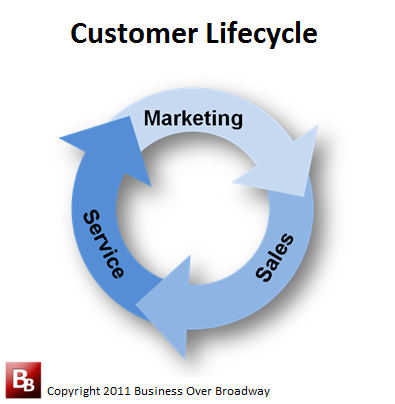
Figure 1. Three Phases of the Customer Lifecycle
A formal definition of customer experience, taken from Wikipedia, states that customer experience is: “The sum of all experiences a customer has with a supplier of goods or services, over the duration of their relationship with that supplier.” In practical terms, customer experience is the customer’s perception of, and attitude about, different areas of your company or brand across the entire customer lifecycle (see Figure 1 to right).
We know that the customer experience has a large impact on customer loyalty. Customers who are satisfied with the customer experience buy more, recommend you and are easier to up/cross-sell than customers who are dissatisfied with the customer experience. Your goal for the customer relationship survey, then, is to ensure it includes customer experience questions asking about important customer touchpoints.
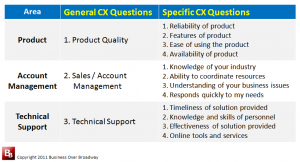
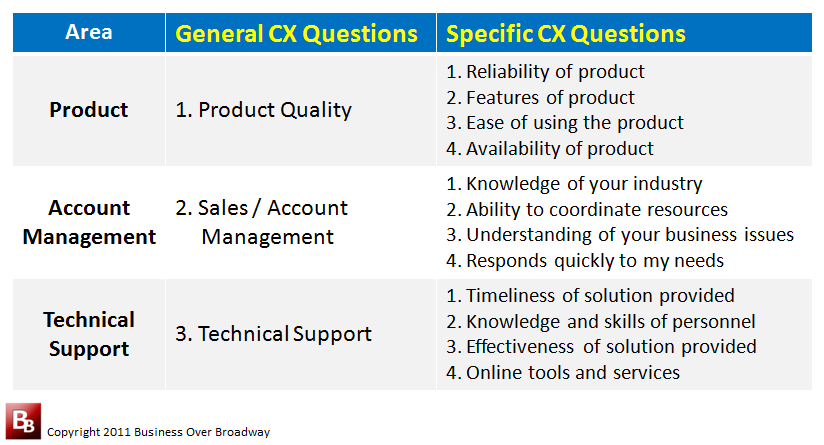
Table 1. General and Specific Customer Experience Questions. In practice, survey asks customers to rate their satisfaction with each area.
Come funziona il Plinko nei casino online secondo CasinosPlinko
Il Plinko è uno dei giochi da casinò online che ha registrato la crescita più rapida negli ultimi anni, passando da una curiosità di nicchia a uno dei titoli più ricercati sulle piattaforme di gioco digitale europee. Originariamente ispirato al celebre segmento televisivo del programma americano The Price Is Right, andato in onda per la prima volta nel 1983, il gioco ha subito una trasformazione radicale quando gli sviluppatori di software per casinò hanno deciso di adattarlo al formato digitale. Il risultato è un prodotto che combina semplicità meccanica, elementi visivi accattivanti e una struttura matematica sottostante tutt’altro che banale. Capire come funziona davvero il Plinko nei casinò online — al di là dell’apparente casualità di una pallina che rimbalza — richiede un’analisi più approfondita dei suoi meccanismi, delle sue varianti e del quadro regolatorio che ne governa l’offerta nel mercato italiano e internazionale.
La meccanica di base e la struttura matematica del Plinko
Nel Plinko digitale, il giocatore rilascia una pallina virtuale dalla parte superiore di una griglia triangolare composta da pioli disposti in file orizzontali. La pallina, ad ogni piolo che incontra, ha una probabilità teorica del 50% di deviare verso sinistra o verso destra. Questo processo si ripete per ogni riga della griglia, e il numero di righe — comunemente chiamato “livello di rischio” o “numero di file” — determina la complessità del percorso e la distribuzione dei possibili esiti. Alla base della griglia si trovano dei moltiplicatori: le posizioni centrali offrono moltiplicatori bassi ma vengono raggiunte con maggiore frequenza, mentre le posizioni ai bordi estremi offrono moltiplicatori molto elevati ma con una probabilità di occorrenza estremamente ridotta.
Dal punto di vista matematico, la distribuzione degli esiti segue una curva binomiale, che con un numero sufficientemente alto di righe tende ad approssimarsi alla distribuzione normale gaussiana. In una griglia a 16 righe, ad esempio, la probabilità che la pallina raggiunga la posizione centrale è significativamente più alta rispetto a qualsiasi altra posizione, e i moltiplicatori sono calibrati di conseguenza. Gli sviluppatori come Spribe, che ha rilasciato la propria versione del gioco nel 2019 diventando uno dei punti di riferimento del settore, utilizzano generatori di numeri casuali certificati (RNG) per simulare questo processo fisico in modo digitale, garantendo che ogni rimbalzo sia statisticamente indipendente dal precedente.
Il Return to Player (RTP) del Plinko varia in base alla configurazione scelta dal giocatore. La maggior parte delle versioni disponibili sui casinò online offre un RTP compreso tra il 97% e il 99% nelle modalità a rischio basso, mentre nelle configurazioni ad alto rischio l’RTP può scendere leggermente, attestandosi intorno al 96%. Questi valori sono superiori alla media di molti giochi da casinò tradizionali, come le slot machine che spesso presentano RTP tra il 92% e il 96%. Tuttavia, è fondamentale comprendere che l’RTP è un valore teorico calcolato su milioni di round: nel breve periodo, la varianza del gioco può produrre risultati molto distanti da questo valore atteso.
La volatilità è un parametro altrettanto importante. In modalità a basso rischio con poche righe, il gioco si comporta quasi come una scommessa a quota fissa, con piccole oscillazioni rispetto alla puntata iniziale. In modalità ad alto rischio con molte righe — tipicamente 16 — la varianza è estrema: il giocatore può perdere molte puntate consecutive prima di ottenere un moltiplicatore significativo, oppure ottenere ritorni molto elevati in rapida successione. Questa struttura a volatilità variabile e selezionabile dal giocatore è una delle caratteristiche che distingue il Plinko dalla maggior parte degli altri giochi da casinò digitale.
Le varianti del Plinko e i principali sviluppatori del settore
Il mercato del Plinko online non è monolitico: esistono decine di varianti prodotte da diversi sviluppatori, ciascuna con caratteristiche tecniche e di gameplay proprie. Spribe rimane uno dei nomi più associati al genere, ma nel corso degli ultimi anni sono entrati nel segmento anche BGaming, che ha lanciato la propria versione nel 2020, e Hacksaw Gaming, noto per un approccio più orientato alla personalizzazione dell’esperienza utente. Alcune versioni permettono di selezionare il numero di righe della griglia (da 8 a 16 nella maggior parte dei casi), il livello di rischio (basso, medio, alto) e la quantità di palline da rilasciare simultaneamente.
La versione di BGaming, in particolare, si distingue per la possibilità di impostare giocate automatiche con parametri di stop-loss e take-profit, una funzionalità che riflette un approccio più orientato ai giocatori abituali che desiderano gestire il proprio bankroll in modo strutturato. Hacksaw Gaming, invece, ha introdotto elementi visivi più elaborati e animazioni più fluide, cercando di avvicinarsi all’esperienza delle slot machine pur mantenendo la meccanica core del Plinko invariata.
Una distinzione importante riguarda la differenza tra il Plinko “provably fair” — tipico delle piattaforme crypto — e le versioni certificate da enti regolatori tradizionali. Il sistema provably fair consente al giocatore di verificare autonomamente la correttezza di ogni round tramite algoritmi crittografici, mentre le versioni regolamentate si affidano alla certificazione degli RNG da parte di laboratori indipendenti come eCOGRA, iTech Labs o GLI (Gaming Laboratories International). Per il mercato italiano, regolato dall’Agenzia delle Dogane e dei Monopoli (ADM), solo le versioni certificate sono legalmente disponibili sui casinò autorizzati.
Per chi desidera approfondire le differenze tra le varie versioni disponibili e confrontare le caratteristiche tecniche delle piattaforme che le offrono, le informazioni presenti su questo sito rappresentano un punto di partenza utile per orientarsi in un mercato che continua ad espandersi con nuovi titoli ogni trimestre. La proliferazione delle varianti rende infatti sempre più complessa la valutazione autonoma da parte del giocatore, rendendo necessario un riferimento strutturato e aggiornato.
Un’altra variante degna di nota è il Plinko in versione live, proposta da alcuni operatori tramite dealer reali che gestiscono una struttura fisica del gioco ripresa da telecamere ad alta definizione. Questa versione, ancora minoritaria rispetto alle controparti digitali pure, cerca di replicare l’atmosfera del casinò fisico integrando elementi di interazione sociale. Dal punto di vista matematico, tuttavia, le probabilità rimangono identiche alle versioni digitali, poiché anche in questo caso i rimbalzi fisici della pallina sono soggetti alle stesse leggi probabilistiche della distribuzione binomiale.
Il quadro regolatorio in Italia e la tutela del giocatore
In Italia, il mercato del gioco online è tra i più regolamentati d’Europa. L’ADM — già AAMS fino al 2017 — rilascia concessioni agli operatori che soddisfano requisiti tecnici, finanziari e di integrità molto stringenti. Il gioco del Plinko, in quanto gioco a quota fissa basato su RNG, rientra nella categoria dei giochi di abilità e fortuna regolamentati, e la sua offerta è consentita solo ai titolari di regolare concessione. Dal 2011, anno in cui l’Italia ha aperto il mercato del gioco online in modo strutturato con il decreto Balduzzi, il numero di operatori autorizzati è cresciuto progressivamente, superando le 70 concessioni attive nel 2023.
La normativa italiana impone agli operatori obblighi precisi in materia di trasparenza: l’RTP di ogni gioco deve essere reso disponibile al giocatore prima dell’inizio della sessione, e le caratteristiche di volatilità devono essere indicate in modo chiaro. Inoltre, tutti i casinò autorizzati ADM sono tenuti a offrire strumenti di gioco responsabile, tra cui limiti di deposito personalizzabili, funzionalità di auto-esclusione e accesso al servizio di supporto del Consiglio Nazionale delle Ricerche (CNR) tramite il numero verde 800.274.274, attivo dal 2012 come parte del programma nazionale per la prevenzione del disturbo da gioco d’azzardo.
Un aspetto spesso trascurato riguarda la tassazione delle vincite. In Italia, le vincite ottenute su piattaforme autorizzate ADM sono esenti da tassazione per il giocatore fino a soglie specifiche, mentre è l’operatore a versare le imposte dovute allo Stato. Questo sistema, introdotto per incentivare il gioco legale rispetto al mercato non autorizzato, rappresenta un vantaggio concreto per i giocatori che scelgono piattaforme regolamentate. Le vincite superiori a 500 euro ottenute in un singolo evento sono invece soggette a ritenuta alla fonte del 20%, applicata direttamente dall’operatore al momento del pagamento.
Il Decreto Dignità del 2018 ha introdotto ulteriori restrizioni, vietando la pubblicità di giochi d’azzardo su tutti i media italiani. Questa normativa ha avuto un impatto significativo sulle strategie di marketing degli operatori, spingendoli verso canali alternativi e verso un maggiore investimento nella qualità del prodotto e nell’esperienza utente come strumenti di differenziazione. Dal punto di vista del giocatore, questo ha significato una minore esposizione a messaggi promozionali aggressivi, ma anche una maggiore difficoltà nel confrontare le offerte disponibili senza ricorrere a fonti informative specializzate.
La Direttiva Europea sul Gioco d’Azzardo Online, in discussione da anni a livello comunitario, potrebbe portare nei prossimi anni a un’armonizzazione parziale delle normative nazionali, con implicazioni dirette per l’offerta di giochi come il Plinko nei mercati regolamentati. Tuttavia, data la resistenza di molti Stati membri a cedere sovranità in materia di gioco d’azzardo — considerato storicamente un dominio di competenza nazionale — è probabile che il quadro regolatorio rimanga frammentato ancora per diversi anni.
Strategie di gestione del bankroll e comportamenti di gioco consapevole
Sebbene il Plinko sia un gioco basato esclusivamente sulla casualità — non esiste alcuna abilità che possa influenzare l’esito di ogni singolo round — esistono approcci alla gestione del bankroll che possono influenzare significativamente l’esperienza complessiva del giocatore. La distinzione fondamentale da comprendere è quella tra strategie di gestione del denaro, che sono legittime e possono aiutare a prolungare la sessione di gioco, e strategie di previsione degli esiti, che sono matematicamente prive di fondamento.
Il sistema più comune adottato dai giocatori di Plinko è la gestione flat del bankroll: stabilire una puntata fissa per ogni round, pari a una percentuale ridotta del capitale disponibile (tipicamente tra l’1% e il 2%), e mantenerla costante indipendentemente dagli esiti precedenti. Questo approccio, supportato dalla teoria della rovina del giocatore, consente di massimizzare il numero di round giocabili con un dato capitale, riducendo la probabilità di esaurire il bankroll prima di ottenere un moltiplicatore significativo.
Al contrario, sistemi come il Martingale — raddoppio della puntata dopo ogni perdita — sono particolarmente pericolosi nel Plinko ad alto rischio, dove le sequenze di perdite possono essere molto lunghe. Una serie di 10 perdite consecutive, statisticamente possibile anche con probabilità del 50% per ogni round, porterebbe un giocatore che inizia con una puntata di 1 euro a dover scommettere 1.024 euro al round successivo, un importo che supera rapidamente i limiti di deposito e le capacità finanziarie della maggior parte dei giocatori.
CasinosPlinko, come risorsa dedicata all’analisi di questo specifico segmento di mercato, ha documentato nel corso del tempo come la scelta del livello di rischio influenzi non solo la distribuzione degli esiti ma anche il comportamento psicologico del giocatore. Le sessioni ad alto rischio tendono a produrre maggiore eccitazione emotiva e, di conseguenza, una maggiore propensione a comportamenti di gioco problematici come l’inseguimento delle perdite. Questa osservazione è coerente con la letteratura accademica sul disturbo da gioco d’azzardo, che identifica la volatilità del gioco come uno dei fattori di rischio primari.
Un approccio alternativo, adottato da alcuni giocatori più esperti, consiste nell’utilizzare il Plinko a basso rischio come strumento per soddisfare i requisiti di scommessa (wagering requirements) associati ai bonus dei casinò online, sfruttando l’alto RTP del gioco in questa configurazione. Poiché molti bonus richiedono di scommettere un multiplo dell’importo ricevuto prima di poter prelevare le vincite, un gioco con RTP del 99% comporta una perdita teorica molto ridotta durante il processo di soddisfacimento dei requisiti. Tuttavia, è necessario verificare che il Plinko sia incluso tra i giochi validi per il wagering, poiché molti operatori escludono specificamente i giochi ad alto RTP da questa possibilità.
La funzionalità di autoplay, disponibile nella maggior parte delle versioni del Plinko online, merita una riflessione separata. Se da un lato semplifica l’esecuzione di sessioni lunghe senza intervento manuale, dall’altro riduce la consapevolezza del giocatore rispetto al ritmo delle perdite e delle vincite. Le normative di alcuni Paesi europei, come il Regno Unito tramite la UK Gambling Commission, hanno già introdotto restrizioni all’uso dell’autoplay, richiedendo che il giocatore mantenga un coinvolgimento attivo nella sessione. In Italia, la questione è ancora in fase di discussione regolamentare, ma è ragionevole aspettarsi evoluzioni normative in questa direzione nel medio termine.
In definitiva, il Plinko nei casinò online è un prodotto matematicamente ben strutturato, con caratteristiche di trasparenza superiori a molti altri giochi da casinò, ma che richiede comunque una comprensione approfondita dei suoi meccanismi per essere affrontato in modo consapevole. La semplicità visiva del gioco — una pallina che cade attraverso una griglia — non deve far dimenticare che dietro ogni sessione si cela una struttura probabilistica precisa, con implicazioni concrete per la gestione del denaro e per il benessere del giocatore. Conoscere l’RTP, comprendere la volatilità associata al livello di rischio scelto, e stabilire limiti chiari prima di iniziare a giocare sono comportamenti che fanno la differenza tra un’esperienza di intrattenimento consapevole e una che può diventare problematica.
Customer Experience Questions
Customer experience questions typically account for most of the questions in customer relationship surveys. There are two types of customer experience questions: General and Specific. General questions ask customers to rate broad customer touchpoints. Specific customer experience questions focus on specific aspects of the broader touchpoints. As you see in Table 1, general customer experience questions might ask the customers to rate their satisfaction with 1. Product Quality, 2. Account Management, 3. Technical Support and so on. Specific customer experience questions ask customers to rate their satisfaction with detailed aspects of each broader customer experience area.
I typically see both types of questions in customer relationship surveys for B2B companies. The general experience questions are presented first and then are followed-up with specific experience questions. As such, I have seen customer relationship surveys that have as little as five (5) customer experience questions and other surveys that have 50+ customer experience questions.
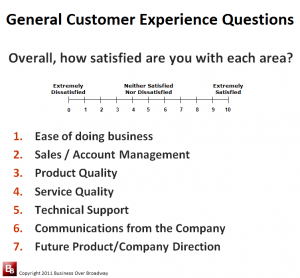
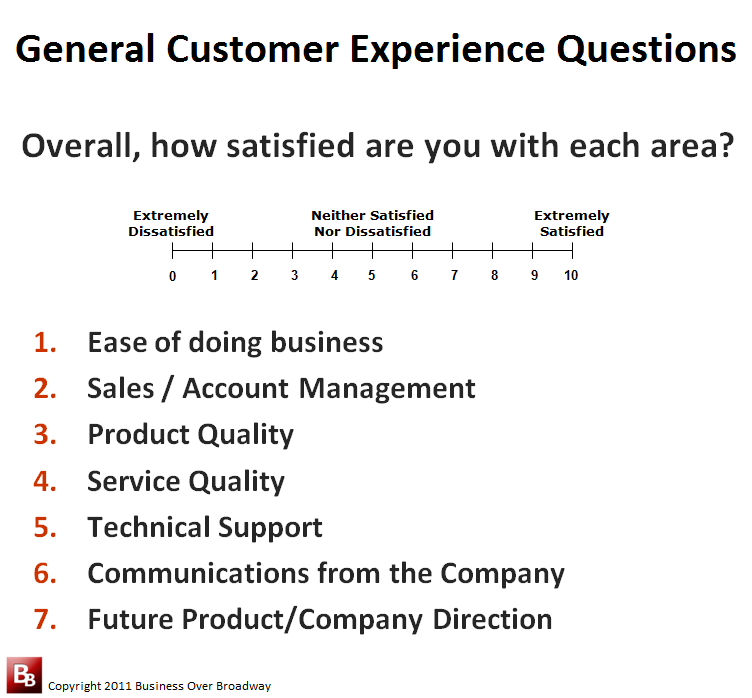
Figure 2. General Customer Experience Questions
General Customer Experience Questions
Here are some general customer experience questions I typically use as a starting point for helping companies build their customer survey. As you can see in Figure 2, these general questions address broad areas across the customer lifecycle, from marketing and sales to service.
While specific customer experience questions are designed to provide greater understanding of customer loyalty, it is important to consider their usefulness. Given that we already have general customer loyalty question in our survey, do we need the specific questions? Do the specific questions help us explain customer loyalty differences above what we know through the general questions?
Customer Experience Questions Predicting Customer Loyalty
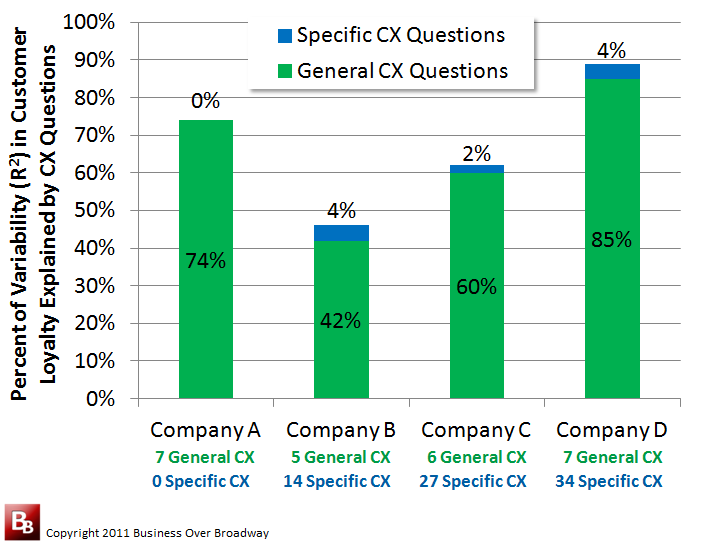
To answer these questions, I analyzed four different B2B customer relationship surveys, each from four different companies. These companies represented midsize to large enterprise companies. Their semi-annual customer surveys included a variety of loyalty questions and specific and general customer experience questions. The four companies had different combinations of general (5 to 7) and specific customer experience questions (0 to 34).
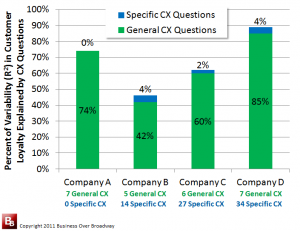
Figure 3. Impact of General and Specific Customer Experience Questions on Customer Loyalty (overall sat, recommend, buy again). Percent of variability is based on stepwise regression analysis.
The goal of the analysis was to show whether the inclusion of specific experience questions added to our understanding of customer loyalty differences beyond what the general experience questions explained. The results of the analysis are presented in Figure 3. Through step-wise regression analysis, I first calculated the percent of variance in customer loyalty that is explained by the general customer experience questions (green area). Then, I calculated the percent of variance in customer loyalty explained by the specific questions above what the general questions explained (blue area). Clearly, the few general experience questions explain a lot of the variability in customer loyalty (42% to 85%) while the specific customer experience questions account for very little extra (2% to 4%).
Efficient Customer Relationship Surveys
We may be asking customers too many questions in our relationship surveys. Short relationship surveys, using general experience questions, provide great insight into understanding how to improve customer loyalty. Asking customers about specific, detailed aspects about their experience provides very little additional information about what drives customer loyalty.
Customers’ memories are fallible. Given the non-trivial time between customer relationship surveys (up to a year between surveys), customers are unable to make fine distinctions regarding their experience with you (as measured in your survey). This might be a good example of the halo effect, the idea that a global evaluation of a company/brand (e.g., great product) influences opinions about their specific attributes (e.g., reliable product, ease of use).
Customers’ ratings about general customer experience areas explain as much of the differences in customer loyalty as we are able to with customer experience questions. Short relationship surveys allow customers the optimal way to give their feedback on a regular basis. Not only do these short relationship surveys provide deep customer insight about the causes of customer loyalty, they also enjoy higher response rates, are easily applied to SMS text surveys (a popular way to connect with millennials who prefer texting with brands rather than emailing or calling), and show that you are considerate of customers’ time.



 Beyond the Ultimate Question
 Measuring Customer Satisfaction and Loyalty (3rd Ed.)
Marc, I totally agree with you. And I’ll add the company who communicates how customer input is being used to make improvements will have a sizable leg up on a majority of the competition who continues to fail at this very basic step.
Great insight, Bob! Equally important is the follow on to the surveys. It is ever so important to use the survey results effectively to make improvements where necessary and to build upon the things that your customers like.
I also think it is important to communicate to your customers some of the changes you have implemented as a result of the survey. Lets them know that their time and input was worthwhile.
Cheers,
Marc
Marc,
Thanks for your feedback. I agree with your comments regarding the use of the data and the power of communicating your improvement efforts to your customers.
Bob